
Communication in Organizations
Misunderstandings, friction losses, and untapped potential
Communication is widely regarded as one of the core skills of modern organizations – and at the same time, one of the biggest weaknesses in day-to-day operations. Despite having more communication channels than ever before, companies still experience daily misunderstandings, delays, and friction that cost time, energy, and ultimately money.
A seemingly simple everyday example illustrates the problem clearly:
When asked, “When will you be there?” the answer is, “I’ll be there shortly.”
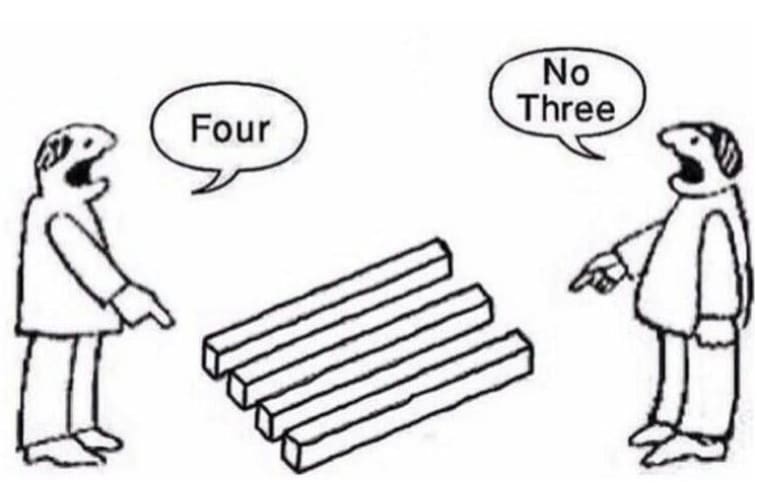
For the sender, this statement is correct – from their perspective. The recipient, however, interprets it differently. The result: mismatched expectations, frustration, and wasted time. What is said – and what is received – are often two different things.
Communication Is Interpretation
Communication is not only about the content sent but also about how the recipient interprets it. The less precise a message, the greater the room for interpretation – and the higher the likelihood of misunderstandings.
In a professional context, this regularly leads to:
- Process delays
- Unnecessary follow-ups or escalations
- Duplicate work
- Frustration on both sides
These effects are rarely caused by ill intent; they are almost always the result of unclear, indirect, or inefficient communication.
The Underestimated Cost Trap: Internal Email Communication
An analysis at a client company demonstrated how severe the impact can be: Employees spent between 10% and 20% of their daily working time reading emails that were neither relevant nor actionable for them.
Meanwhile, other employees were waiting urgently for information and sent reminder emails – further filling inboxes and exacerbating the situation.
Typical causes include:
- Distribution lists inflated for political or precautionary reasons
- Responsibility passed along via emails
- Tasks delegated without clear objectives or accountability
- Emails forwarded to recipients who also cannot solve the issue
In many companies, email culture – objectively considered – is in need of improvement. It is often overlooked how much time, energy, and economic resources are lost daily.
Talking About vs. Talking With
Another classic communication pattern emerges in interdepartmental interactions. Problems are often discussed about other departments – rather than with them.
A practical example:
In one assignment, the sales team complained about shipping, while the shipping team criticized sales in return. Only when both parties were brought together did the actual challenges become visible and understandable.
The result:
- Mutual understanding
- Realistic expectations
- Concrete improvement approaches
Based on this experience, the employees independently decided to meet quarterly to address challenges together early on.
Communication as Dialogue—Not Monologue
Effective communication is not a one-way street. It thrives on dialogue, clarification, transparency, and a willingness to listen. Digital tools make many things easier, but they cannot replace direct exchange.
The central question is:
Why is communication in organizations so rarely actively developed – even when its weaknesses are obvious?
Especially the factor of resource waste should motivate organizations to approach this strategically. Small changes in communication behavior can already yield measurable effects:
- Shorter process cycle times
- Fewer coordination loops
- Higher satisfaction
- Better collaboration
Conclusion
Experience from numerous projects shows: Talking more with each other is faster and more effective.
Even if it seems convenient to quickly send a message via a tool, direct conversation – whether by phone or in person – prevents misunderstandings, saves time, and strengthens collaboration.
Communication is not a “soft” topic; it is a hard economic factor. Organizations that recognize this and deliberately work on it gain a clear advantage – not through new systems, but through clearer, more conscious, and more human communication.


